DIY Tomato Powder from Skins: Maximize Flavor & Reduce Waste
As avid home cooks and gardeners, we often find ourselves with an abundance of tomatoes. While sauces, soups, and preserves are delicious ways to enjoy our harvest, what about those oft-discarded tomato skins? Many recipes instruct us to peel tomatoes, leaving behind a treasure trove of flavor and nutrients. Instead of letting them go to waste, imagine transforming them into a concentrated burst of sweet, savory tomato essence – a versatile pantry staple known as tomato powder. Learning
how to make tomato powder out of tomato skins is not just a culinary trick; it's a step towards zero-waste living and an excellent way to elevate your cooking.
This comprehensive guide will walk you through the simple yet rewarding process of turning those leftover tomato skins into a vibrant, potent powder that will revolutionize your spice rack.
The Magic of Tomato Powder: Flavor, Frugality, and Functionality
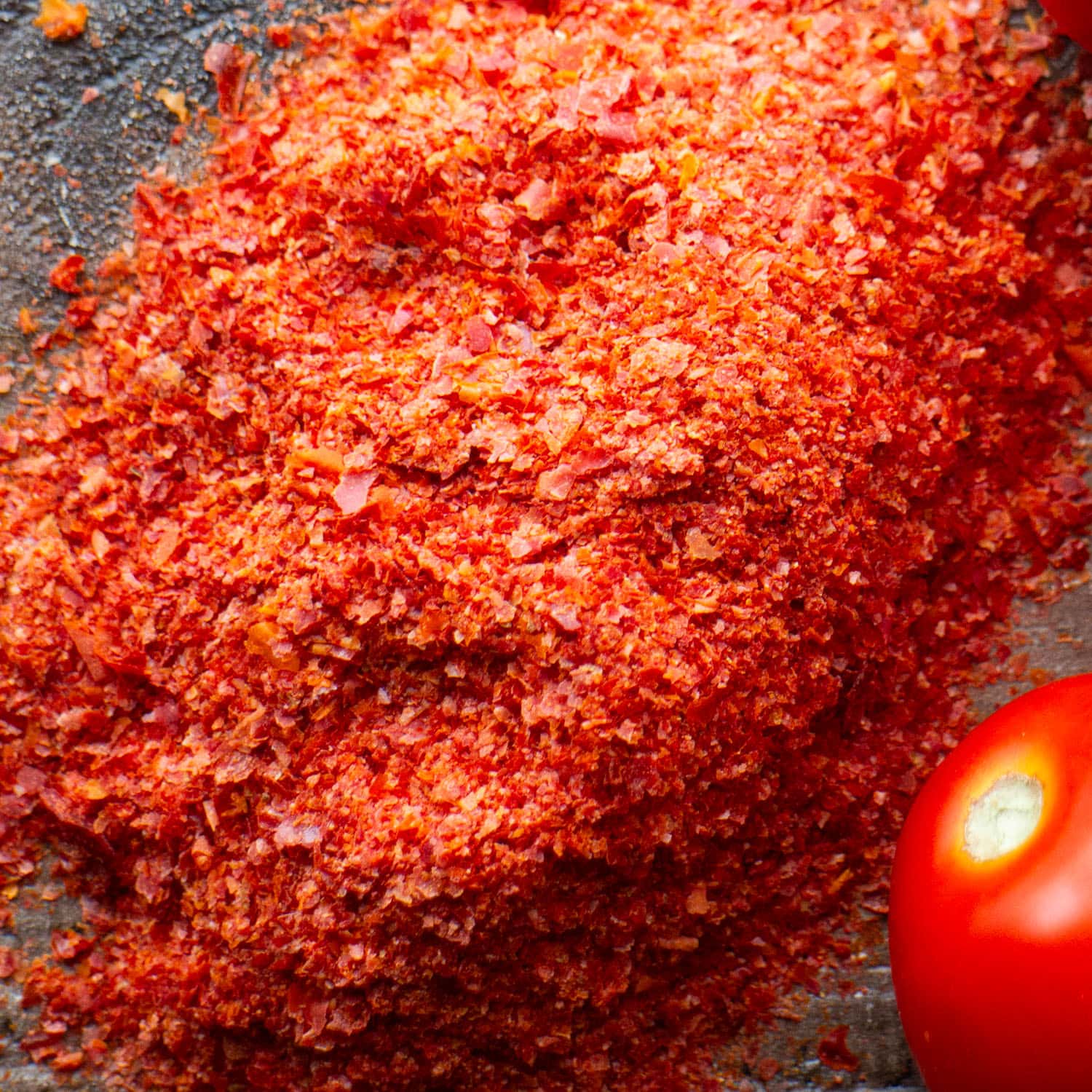
Tomato powder is simply dehydrated tomatoes ground into a fine, concentrated dust. When made from skins, it captures the intense flavor and beautiful red hue often found closest to the tomato's exterior. This isn't just a novelty; it's a powerful ingredient with a multitude of benefits:
*
Intensified Flavor: Dehydration concentrates the natural sugars and umami of tomatoes, resulting in a powder far more potent than fresh tomatoes. A little goes a long way in adding depth to dishes.
*
Vibrant Color: The rich red of tomato skins translates into a stunning, natural coloring agent for your food.
*
Zero-Waste Solution: This is perhaps the most compelling reason for many. By learning
how to make tomato powder out of tomato skins, you transform what would typically be compost or trash into a valuable ingredient. It’s an incredibly satisfying way to embrace
frugal and zero-waste food preservation.
*
Versatility in the Kitchen: From instant tomato paste to a secret ingredient in spice rubs, tomato powder's applications are vast and varied.
*
Extended Shelf Life & Space Saving: Once fully dried and powdered, tomatoes can be stored for months (or even years) in an airtight container, taking up significantly less space than fresh or canned tomatoes.
Think of it as pure, unadulterated tomato essence, ready to be deployed whenever you need a burst of that characteristic tangy-sweet flavor.
Preparing Your Precious Peels: Collecting and Prepping Tomato Skins
The beauty of making tomato powder from skins is that it utilizes a byproduct you already have. Any type of tomato skin will work – from large slicers and Romas to the delicate peels of cherry tomatoes. The flavor of your powder will naturally reflect the sweetness and intensity of the tomatoes you used.
The key to success when embarking on the journey of
how to make tomato powder out of tomato skins is accumulation. Since it takes a significant amount of dried tomato to yield a modest quantity of powder, you'll need a good pile of skins.
Here's how to manage your collection:
*
Save Systematically: Whenever you peel tomatoes for sauces, soups, or canning, simply collect the skins.
*
Freeze Them: If you don't have enough skins for a full batch right away, simply pop them into a freezer-safe bag or container. They can be stored in the freezer for several weeks or even months until you've accumulated a sufficient quantity. This is a game-changer for home cooks who peel tomatoes intermittently.
*
Cleanliness is Key: Before drying, ensure your skins are clean. A quick rinse under cold water is usually sufficient to remove any remaining pulp or seeds. Pat them dry gently before proceeding to the drying stage.
Remember, the goal is to start with as clean and uniform a batch of skins as possible to ensure even drying and optimal flavor.
Step-by-Step: How to Make Tomato Powder Out of Tomato Skins
Once you've amassed your collection of tomato skins, the process of turning them into powder involves two main steps: thorough drying and precise grinding.
Drying Your Skins to Crispy Perfection
This is the most crucial step. The skins *must* be completely dehydrated, brittle, and snap easily. Any remaining moisture will lead to clumping, mold, and a significantly reduced shelf life for your powder.
1. Dehydrator Method (Recommended for Best Results)
Dehydrators offer the most consistent and energy-efficient way to dry tomato skins.
*
Preparation: Spread your clean tomato skins in a single layer on your dehydrator trays. Avoid overcrowding, as this impedes airflow and slows drying. If using mesh liners, they're perfect for preventing smaller pieces from falling through.
*
Temperature & Time: Set your dehydrator to a low temperature, typically around 135°F (57°C). The drying time will vary depending on the thickness of your skins, the humidity, and your dehydrator model, but generally expect 8-12 hours, possibly longer.
*
Monitoring: Check periodically. Rotate trays if your dehydrator doesn't have even heat distribution. The skins are done when they are paper-thin, crisp, and break easily when bent – like a potato chip. There should be no pliability or moisture.
2. Oven Method (A Good Alternative)
If you don't have a dehydrator, your oven can work effectively, though it requires more vigilance.
*
Preparation: Line baking sheets with parchment paper or silicone mats. Spread the tomato skins in a single, even layer.
*
Temperature & Time: Set your oven to its lowest possible temperature, usually between 170-200°F (77-93°C). Prop the oven door open slightly (with a wooden spoon or oven-safe item) to allow moisture to escape.
*
Monitoring: This method requires more frequent checking. Stir or flip the skins every 30-60 minutes to promote even drying. Drying can take anywhere from 4-8 hours, depending on your oven and the thickness of the skins. Ensure they reach the same brittle, snap-able stage as with the dehydrator method.
Grinding into a Fine, Flavorful Dust
Once your tomato skins are perfectly dry, the final step is to grind them into a powder.
*
Tools: A dedicated spice grinder, a clean coffee grinder, or a high-speed blender (like a Vitamix) are your best options. Mortar and pestles can work for very small batches but require significant effort to achieve a fine powder.
*
Process: Work in small batches. Overfilling your grinder can result in uneven powder and stress the motor. Pulse and grind until you achieve a fine, consistent powder. If you desire an ultra-fine powder, you can sift it through a fine-mesh sieve and re-grind any larger particles.
*
Cool Down: Grinding can generate heat. Allow the powder to cool completely before storing, as warmth can introduce moisture and reduce shelf life.
Beyond the Basics: Culinary Applications for Your Homemade Tomato Powder
Now that you've mastered
how to make tomato powder out of tomato skins, the fun truly begins! This homemade condiment is incredibly versatile.
*
Instant Tomato Paste: Mix equal parts tomato powder with hot water, stirring until it forms a thick paste. Adjust water to achieve your desired consistency. This is perfect for when you need just a tablespoon or two without opening a whole can.
*
Flavor Booster for Soups & Stews: Stir a teaspoon or two into broths, chilis, or gravies for an instant umami kick and richer tomato flavor.
*
Dry Rubs & Seasonings: Incorporate it into your homemade BBQ rubs for meats, poultry, or roasted vegetables. It adds a delicious depth and tang.
*
Popcorn Seasoning: Mix with a little salt, garlic powder, and onion powder for a savory, cheesy-like seasoning for popcorn.
*
Homemade Bread & Pasta: Add a tablespoon to your bread dough or fresh pasta recipe for a lovely color and subtle tomato flavor.
*
Salad Dressings: As highlighted by many enthusiasts, it's a fantastic addition to vinaigrettes, lending a bright, tangy note. You can find more unique ideas and
ways to transform leftover tomato skins into flavorful powder in your cooking.
*
Egg Dishes: Sprinkle over scrambled eggs, omelets, or frittatas for an extra layer of flavor.
Storage Tips:
Store your freshly made tomato powder in an airtight glass jar or container in a cool, dark pantry. Properly dried and stored, it can last for many months, often even a year or more, without losing its potency. Avoid exposing it to light, heat, or moisture, which can degrade its flavor and color over time.
Conclusion
Learning
how to make tomato powder out of tomato skins is a truly rewarding endeavor. It's a testament to the power of zero-waste cooking, transforming what was once discarded into a flavorful, versatile ingredient. Not only will you reduce food waste, but you'll also unlock an incredible depth of tomato flavor that few store-bought ingredients can match. So next time you're peeling tomatoes, resist the urge to discard those precious skins. Save them, dry them, grind them, and prepare to elevate your culinary creations with your very own homemade tomato powder.