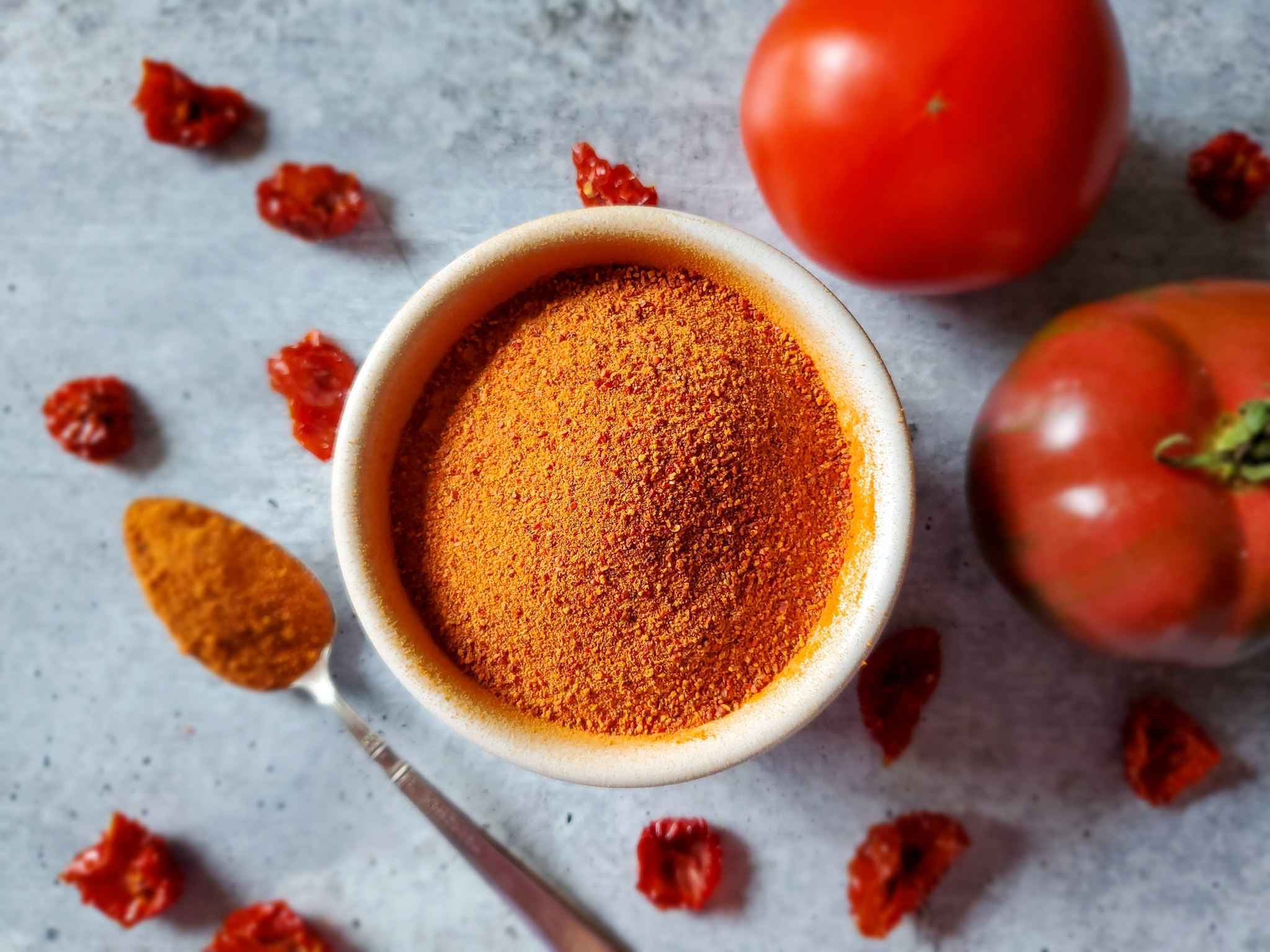
Transform Leftover Tomato Skins into Flavorful Powder: A Zero-Waste Kitchen Gem
The humble tomato, a cornerstone of countless cuisines, often leaves behind a hidden treasure: its skins. Whether you're simmering a rich pasta sauce, crafting homemade ketchup, or peeling fresh tomatoes for a pristine puree, those vibrant peels are frequently discarded. But what if we told you these "leftovers" could be transformed into a potent, aromatic seasoning that elevates your cooking, reduces waste, and saves you money? Welcome to the world of homemade tomato powder, a concentrated burst of sweet and savory flavor ready to become your new secret ingredient. This comprehensive guide will walk you through how to make tomato powder out of tomato skins, turning what was once considered waste into a versatile culinary delight.Why Turn Tomato Skins into Powder? The Ultimate Zero-Waste Seasoning
Embracing the art of making tomato powder from skins isn't just a clever kitchen hack; it's a testament to sustainable living and culinary ingenuity. Here’s why this frugal favorite deserves a permanent spot in your pantry:- Unleash Concentrated Flavor: Dehydration removes water, leaving behind an intensified essence of tomato. This powder packs a far more potent punch than fresh tomatoes, imbuing dishes with a deep, umami-rich sweetness that can't be replicated.
- Combat Food Waste: Annually, tons of tomato skins are discarded. By transforming them into powder, you're giving these often-neglected parts a second life, contributing to a more sustainable kitchen and reducing your ecological footprint. It's a prime example of zero-waste food preservation in action.
- Versatility in Spades: Beyond being a simple seasoning, tomato powder is incredibly adaptable. It can thicken sauces, add color and depth to soups, create flavorful rubs for meats, or even be reconstituted into a rich tomato paste for quick cooking needs.
- Space-Saving Storage: A large batch of fresh tomatoes or even a few jars of sauce can take up significant pantry or freezer space. Tomato powder, however, condenses a substantial amount of produce into a small, shelf-stable container, making it ideal for those with limited storage.
- Nutrient Retention: While the drying process does alter some nutrients, many beneficial compounds found in tomatoes, like lycopene, are retained and even become more concentrated, offering a healthy boost to your meals.
Gathering Your Skins: Preparation and Storage Tips
The journey to exquisite tomato powder begins with the skins themselves. You might be surprised at how quickly you can accumulate a substantial amount. You can harvest skins from any variety of tomato – slicers, romas, heirlooms, or even cherry tomatoes (though for cherry tomatoes, you might consider drying them whole for an even sweeter powder, as they tend to dry exceptionally well). The key is to use skins from fully ripe tomatoes, as they will yield a superior, more flavorful powder. Here are some practical tips for gathering your raw material:- Sources: Whenever you make homemade ketchup, pasta sauce, tomato soup, or any recipe that requires peeling tomatoes, simply collect the skins. Many recipes call for straining out the peels and seeds, making this a perfect opportunity.
- Freezer Method: It often takes a considerable amount of skins to produce a decent batch of powder. Don't feel pressured to collect them all at once! Simply save your tomato peels in an airtight freezer-safe bag or container until you've accumulated enough to make a worthwhile batch. Freezing them prevents spoilage and preserves their quality.
- Cleanliness: Always ensure the fresh tomatoes are thoroughly washed before peeling to remove any dirt or residue.
The Step-by-Step Guide: How to Make Tomato Powder Out of Tomato Skins
The process of transforming flimsy skins into potent powder is straightforward, requiring mostly patience and the right tools.Essential Tools You'll Need
While you don't need an arsenal of gourmet gadgets, a few key items will make the process smooth and successful:
- Dehydrator (Recommended): This is the most efficient and reliable method, offering controlled, even drying.
- Oven (Alternative): If you don't have a dehydrator, your oven can work, but it requires more attention and often a longer drying time.
- Blender or Spice/Coffee Grinder: Essential for pulverizing the dried skins into a fine powder. A high-speed blender is ideal for achieving the finest consistency.
- Airtight Storage Jars: For conditioning and long-term storage of your finished powder.
- Parchment Paper or Silicone Mats: For oven drying, to prevent sticking.
Step 1: Preparing Your Skins for Dehydration
Once you've gathered your skins (whether fresh or thawed from the freezer), ensure they are free from any significant moisture. Gently pat them dry with a clean kitchen towel if they feel overly wet. Arrange the skins in a single, even layer on your dehydrator trays or baking sheets. It's crucial not to overcrowd the trays, as this will hinder air circulation and prolong the drying time. For an extra layer of flavor complexity, you can even experiment with adding a few dried onion flakes or bell pepper bits to your skins before drying, creating a custom savory blend.
Step 2: Dehydrating the Skins
This is the most critical stage, where all the moisture is removed, making the skins brittle and ready for grinding.
Using a Dehydrator:
Set your dehydrator to a temperature between 125-135°F (52-57°C). Spread the skins thinly and evenly on the trays. The drying time will vary depending on the thickness of the skins and your dehydrator model, but typically ranges from 6 to 12 hours. The goal is for the skins to be absolutely bone-dry and brittle – they should snap easily when bent, not just bend or feel leathery. Rotate your trays periodically for more even drying.
Using an Oven:
Preheat your oven to its lowest possible setting, typically around 170°F (77°C) or even lower if your oven has a "warm" or "proof" setting. Line baking sheets with parchment paper or silicone mats and arrange the skins in a single layer. Crucially, prop the oven door slightly ajar using a wooden spoon or heat-proof object to allow moisture to escape. Drying in the oven will take significantly longer than in a dehydrator, often 8 to 16 hours or more. Check frequently, rotating the trays and gently flipping the skins if needed to ensure even drying without scorching. The low heat prevents them from cooking, ensuring pure dehydration.
Step 3: Grinding into Powder
Once your tomato skins are thoroughly dry and completely cooled, it's time to transform them into powder. Transfer the brittle skins to your high-speed blender, coffee grinder, or spice grinder. Work in small batches to ensure an even grind. Pulse and blend until you achieve a fine, consistent powder. You may need to stop, tap the container, and stir to break up any clumps and ensure all larger pieces are finely ground. For an ultra-fine, silky powder, you can sift it through a fine-mesh sieve, regrinding any larger bits left behind.
Step 4: Conditioning and Storing Your Powder
After grinding, your tomato powder needs a crucial "conditioning" period. Even if it feels dry, residual moisture can lead to clumping and spoilage. Transfer the fresh powder to an airtight glass jar, leaving a little headspace. Seal it and shake it once or twice a day for about a week. If you notice any condensation forming on the inside of the jar, it means there's still moisture present, and you'll need to re-dry your powder (either by spreading it back on trays in the dehydrator or oven for a short period, or by simply leaving the jar open in a dry environment for a few hours before resealing and continuing the conditioning). Once conditioned, store your homemade tomato powder in a cool, dark place in an airtight container, away from direct sunlight and humidity. Properly stored, it can last for many months, often up to a year, retaining its vibrant color and intense flavor.
Unleashing the Flavor: Creative Uses for Your Homemade Tomato Powder
Now that you've mastered how to make tomato powder out of tomato skins, it's time to unleash its culinary potential. This versatile ingredient adds depth, color, and a concentrated burst of umami to an astonishing array of dishes.- Instant Tomato Paste: The simplest and most incredible use! Mix a teaspoon or two of powder with an equal amount of warm water, let it sit for a minute, and you have instant, concentrated tomato paste for glazes, sauces, or pizza.
- Savory Seasoning: Sprinkle it directly onto roasted vegetables, scrambled eggs, popcorn, or even avocado toast for a flavor boost. It's a fantastic addition to homemade spice rubs for chicken, pork, or beef.
- Soups and Stews: Stir a spoonful into broths, chilis, goulash, or any stew to deepen the tomato flavor and add a rich, reddish hue.
- Dressings and Dips: Whisk it into homemade salad dressings for a vibrant, tangy kick. Blend it into yogurt or sour cream for a quick veggie dip. It's a key ingredient in many favorite homemade dressings!
- Baking Adventures: Incorporate it into bread dough, focaccia, or crackers for a subtle tomato flavor and beautiful color.
- Flavor Enhancer: Add a pinch to almost any savory dish that could benefit from a touch of sun-dried tomato essence – from mac and cheese to gravies and casseroles. It truly maximizes flavor.
Related Reads for the Zero-Waste Enthusiast:
For more insights into maximizing your kitchen's potential and embracing a zero-waste lifestyle, explore Make Tomato Powder from Skins: Frugal & Zero-Waste Preservation. And to truly elevate your culinary creations while minimizing waste, don't miss our guide on DIY Tomato Powder from Skins: Maximize Flavor & Reduce Waste.
In conclusion, transforming leftover tomato skins into flavorful powder is a highly rewarding endeavor that embodies the spirit of a truly sustainable kitchen. It’s a simple yet profound way to reduce waste, elevate your cooking with intense, concentrated flavors, and store the essence of summer’s bounty in a space-saving form. So next time you're peeling tomatoes, resist the urge to discard those precious skins. Instead, embark on this culinary adventure and discover the magic of homemade tomato powder – your taste buds, and the planet, will thank you.