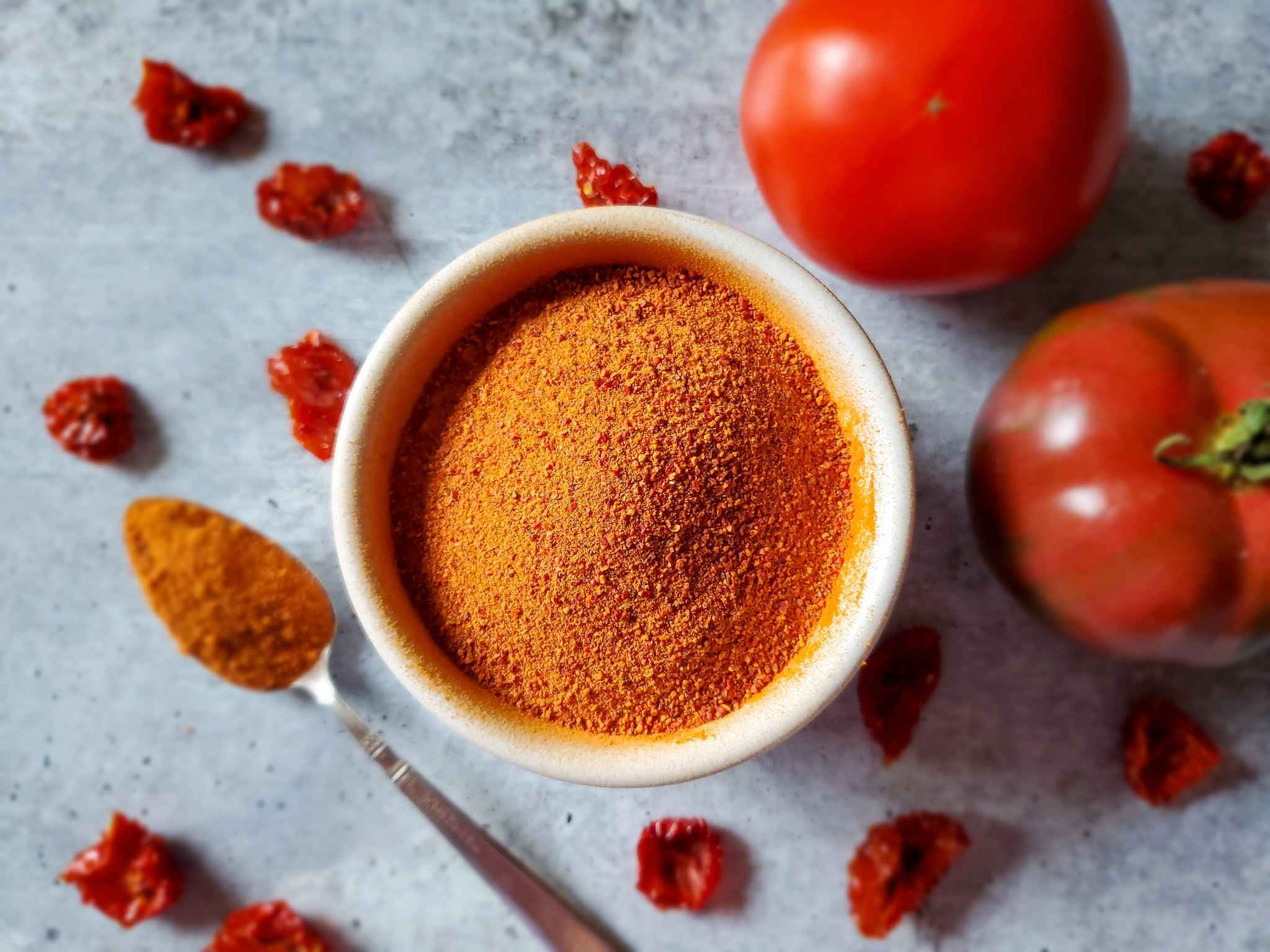
Make Tomato Powder from Skins: The Ultimate Frugal & Zero-Waste Preservation Method
In a world increasingly focused on sustainability and maximizing every resource, learning
how to make tomato powder out of tomato skins stands out as a culinary revelation. This ingenious method transforms what many consider kitchen waste into a potent, flavorful seasoning, embodying the very best of frugal and zero-waste living. If you’ve ever peeled tomatoes for a silky sauce, strained them for ketchup, or simply found yourself with an abundance of garden bounty, you'll appreciate the magic of turning those often-discarded skins into a vibrant, versatile powder.
This isn't just about saving scraps; it's about unlocking a concentrated burst of tomato flavor that can elevate countless dishes. Beyond the satisfaction of reducing waste, you’ll discover a seasoning that rivals its fresh counterparts in complexity and depth, all while taking up minimal pantry space.
Why Embrace Tomato Powder from Skins? Frugal, Flavorful, & Fantastic!
The allure of making tomato powder from skins extends far beyond simple preservation. It's a practice rooted in efficiency, flavor enhancement, and environmental consciousness.
Championing Zero-Waste in Your Kitchen
For many recipes, such as homemade marinara sauce, tomato paste, or even canning whole peeled tomatoes, the skins are often removed and discarded. This is where the zero-waste magic truly begins. Instead of consigning those nutrient-rich, flavorful peels to the compost bin, you can reclaim them. This small act significantly reduces your food waste footprint, transforming a byproduct into a valuable ingredient. It’s particularly rewarding when you consider the energy and resources that went into growing those tomatoes in the first place.
A Frugal Foodie's Dream
Making your own tomato powder is incredibly economical. You're utilizing a part of the fruit that would otherwise be thrown away, essentially getting "extra" product for free. For those with a garden or access to farmers' market bulk tomatoes, this method helps you stretch your harvest further, turning seasonal abundance into year-round pantry staples. You can even save up skins in the freezer from various cooking sessions until you have enough to make a substantial batch, making it a continuous cycle of savings.
Unleashing a Flavor Powerhouse
Tomato skins, often overlooked, are surprisingly rich in flavor. When dehydrated and ground, this flavor intensifies dramatically. The result is a bright, sweet, savory, and slightly tangy powder that offers a concentrated umami punch. It’s like bottling the essence of peak-season tomatoes, ready to be deployed whenever your dishes need a lift. A little goes a long way, ensuring that your homemade powder will last, making it a true secret weapon in your spice cabinet.
Space-Saving & Versatile Preservation
Unlike canning or freezing large quantities of tomatoes, tomato powder is incredibly space-efficient. A generous harvest can condense down into a few small jars of powder, freeing up valuable pantry and freezer space. Its dry form also makes it incredibly stable, offering a long shelf life when stored correctly. As for versatility, tomato powder can be used in myriad ways:
- Seasoning: Sprinkle it into soups, stews, chili, rubs for meat, roasted vegetables, eggs, or even popcorn.
- Flavor Booster: Add depth to pasta sauces, gravies, salad dressings, or dips. It’s a key ingredient for many homemade dressing recipes!
- Reconstituted Paste/Sauce: Mix with a little water to create instant tomato paste or a quick sauce base.
- Coloring Agent: Impart a natural, vibrant reddish hue to bread doughs, savory muffins, or crackers.
The Simple Science: How Tomato Powder Comes to Life
Tomato powder is essentially dehydrated tomatoes or tomato skins, ground into a fine, concentrated powder. The process removes nearly all the water content, preventing spoilage and significantly intensifying the natural sugars, acids, and savory compounds present in the fruit. This concentration is why even a small amount of powder delivers such a profound flavor impact.
While you *can* make tomato powder from whole fresh tomatoes, focusing on skins is particularly efficient. Ripe tomatoes, regardless of type (heirlooms, romas, slicers), will yield the best flavor. However, cherry tomatoes are noted for their exceptional sweetness and ease of drying, sticking less to dehydrator trays due to their smaller size. If you're using whole tomatoes, remember that it takes a considerable volume to produce a modest amount of powder – a testament to its concentrated nature.
Gathering Your Toolkit: What You'll Need
Making tomato powder from skins is surprisingly straightforward and requires only a few essential tools.
Ingredients:
- Tomato Skins: The star of our show! Collect them from peeling fresh tomatoes for sauces, stews, or canning. You can store them in a freezer bag in the freezer until you have a sufficient quantity.
- Optional additions: A few dried onion scraps or bell pepper pieces can add another layer of complexity if dried alongside the skins.
Essential Equipment:
- Dehydrator: This is the preferred method for consistent and efficient drying. It provides even heat distribution and airflow, crucial for fully dehydrating without cooking.
- Oven (Alternative): If you don't have a dehydrator, your oven can work, but it requires closer monitoring and typically runs at a higher energy cost for the long drying times.
- Baking Sheets & Parchment Paper/Silicone Mats: For arranging skins in the oven or as a base for dehydrator trays.
- Blender, Spice Grinder, or Coffee Grinder: Essential for pulverizing the brittle dried skins into a fine powder. A dedicated spice grinder often yields the finest results.
- Airtight Jars or Containers: For proper storage of your finished powder.
The process is simple, but patience is key for thorough dehydration.
1. Prepare Your Tomato Skins
If you’ve been saving skins in the freezer, thaw them slightly until they can be easily separated. Ensure the skins are clean; a quick rinse is usually sufficient. There’s no need to cut them further unless you have exceptionally large pieces. The thinner they are, the faster they will dry.
2. Arrange for Drying
Spread the tomato skins in a single layer on your dehydrator trays or parchment-lined baking sheets. Avoid overlapping to ensure even airflow and consistent drying.
3. Dehydrate the Skins
- Using a Dehydrator: Set your dehydrator to a temperature between 125-135°F (52-57°C). Dehydrate for 6-12 hours, or until the skins are completely brittle and snap easily when bent. The drying time will vary depending on the thickness of the skins, humidity, and your dehydrator model.
- Using an Oven: Preheat your oven to its lowest possible setting (typically 150-200°F or 65-93°C). Place the baking sheets in the oven. Prop the oven door open slightly with a wooden spoon to allow moisture to escape. Dry for several hours, potentially 8-12+, checking frequently. Rotate the trays occasionally for even drying. The goal is to dehydrate, not to bake or roast, so a very low temperature is crucial. The skins must be completely brittle.
Regardless of the method, *full dryness is paramount*. Any residual moisture will lead to mold and spoilage.
4. Grind into Powder
Once the skins are thoroughly dry and completely cool, transfer them to your blender, spice grinder, or coffee grinder. Pulse in short bursts until a fine powder forms. Avoid continuous grinding, as this can generate heat and cause the powder to clump due to residual oils. Aim for a consistency similar to paprika or chili powder. You might need to process in batches.
5. Store for Longevity
Transfer your freshly ground tomato powder to airtight glass jars or containers. Store in a cool, dark pantry away from direct light and heat. For added moisture protection, especially in humid climates, you can include a food-grade desiccant packet in the jar. While tomato powder can last for well over a year, its flavor is best enjoyed within 6-12 months.
Tips for Success & Creative Culinary Applications
*
Don't Rush the Drying: Patience is your best friend here. Incomplete drying is the most common reason for spoilage.
*
Conditioning Your Powder: After grinding, let your powder sit in its sealed jar for a few days, shaking it periodically. If you see any condensation or clumping, it means there's still moisture, and it needs further drying before final storage.
*
Experiment with Varieties: Different tomato varieties will impart slightly different flavor profiles to your powder.
*
Boost Other Dishes: Beyond the obvious, try adding tomato powder to homemade pasta dough, bread mixes, or even a pinch to scrambled eggs for a burst of color and flavor. It can also be a fantastic addition to rubs for grilling or roasting, as detailed in articles like
Transform Leftover Tomato Skins into Flavorful Powder. For more advanced ideas on maximizing flavor, explore resources like
DIY Tomato Powder from Skins: Maximize Flavor & Reduce Waste.
Conclusion
Making tomato powder from skins is more than just a recipe; it's a testament to sustainable living, culinary creativity, and the joy of making something truly special from overlooked ingredients. It's an empowering way to reduce waste, save money, and infuse your cooking with the concentrated essence of summer tomatoes, all year long. So, the next time you're peeling tomatoes, resist the urge to discard those precious skins. Instead, embark on this rewarding journey and discover the rich, versatile world of homemade tomato powder. Your pantry – and your taste buds – will thank you!